
2-berth or 4-berth campervan
Which makes more sense?

On paper, the difference looks simple. One sleeps two. One sleeps four. In practice, it usually comes down to how you travel, how much space you actually use, and how much compromise you are willing to carry around the rest of the time.
A 4-berth campervan can sound like the safer choice. More room, more flexibility, more options. Sometimes that is true. Sometimes it just means more van than you really need.
A 2-berth campervan can look like the simpler option. Easier to drive, easier to park, easier to live with day to day. That can be true as well. It can also feel limiting if the extra sleeping space would genuinely get used. So the better question is not really which one sounds better.
Which one makes more sense once you picture actual trips rather than the brochure version of them?
What 2 berth and 4 berth actually mean
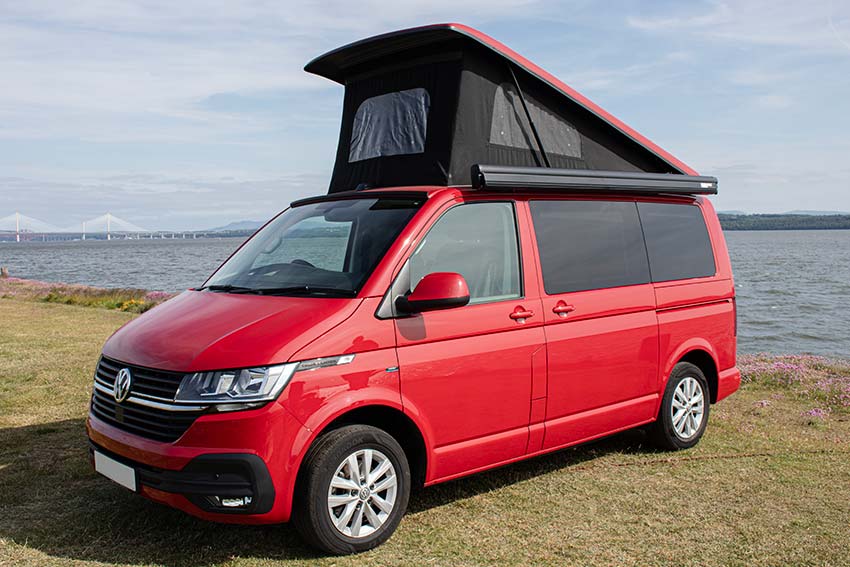
The berth number tells you how many people the van is designed to sleep. That is useful, but only up to a point. It does not automatically tell you how comfortable those sleeping arrangements are, how easy they are to set up, or what the van feels like once everyone is inside with bags, coats, food and the rest of it. It also does not tell you how many people can legally travel in the van. That is where buyers get caught out.
A van can sleep four and still have fewer belted travel seats than you expect. So if you are comparing a 2-berth campervan with a 4-berth campervan, berth count is only part of the picture. Seatbelt count matters just as much, sometimes more. That is especially true with used vans, where layouts, conversions, and paperwork do not always align as neatly as the label suggests.
When a 2-berth campervan makes more sense

A 2-berth campervan usually suits people who travel as one or two and do not need to build the whole van around occasional extras. That can make a big difference. Without the pressure to sleep four, the layout often becomes easier. You may get a better lounge, more usable storage, a fixed bed that stays put, or simply a van that feels less busy inside. There is also less to carry around in a practical sense.
A smaller 2-berth campervan can be easier on narrow roads, simpler to park at home, less awkward in supermarket car parks, and less work to heat once the temperature drops. If the van is being used often rather than saved for a couple of longer holidays a year, those things start to matter. This is often where the logic becomes clearer.
If most trips are for two people and those trips are reasonably straightforward, a 2-berth may do the job without forcing you to dedicate permanent space to bunks, extra seating, or sleeping arrangements you only use now and then. That does not make it the better option in general. It just means it may be the cleaner fit.
When a 4-berth campervan makes more sense

A 4-berth campervan earns its keep when the extra sleeping space is genuinely part of the plan. Families are the obvious example, but not the only one. Some buyers want the flexibility to travel with children or visit relatives or friends. Others simply want the extra room, even if they are not filling every berth on every trip. That can be reasonable.
More sleeping space can make a van feel more adaptable. It can also give you options as travel changes over time. What works for two now might need to work for three or four later. But this is where it helps to be a bit strict with yourself.
Extra berths sound useful in theory. In practice, they take up room, add weight, and usually shape the whole layout around them. If those berths are only going to be used once or twice a year, you may spend the rest of the time living with compromises that do not really pay you back. That is the trade-off.
A 4-berth campervan can be the right answer. It can also be the answer people choose because it feels safer, not because it matches how they actually travel.
What changes in layout, storage and everyday use
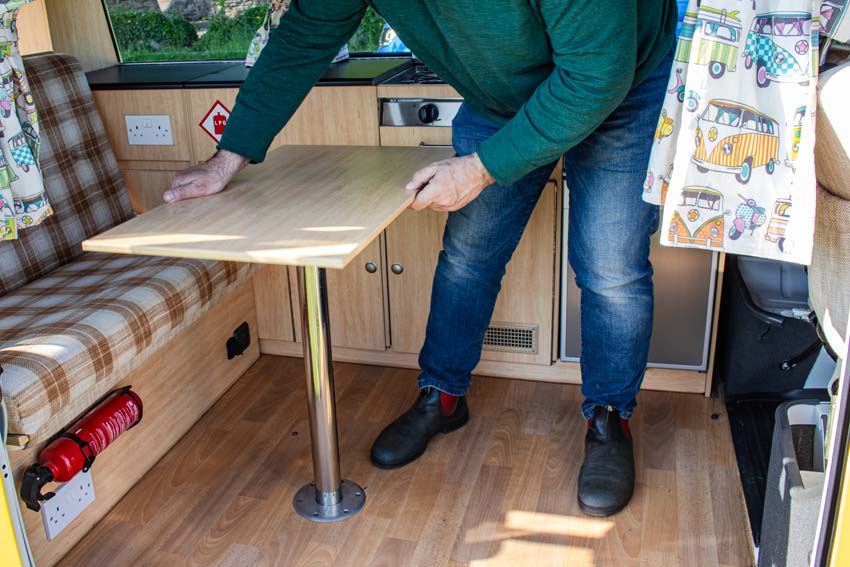
This is where the comparison starts to feel real. A 2-berth campervan often gives you more freedom to keep the layout simple. The bed may stay made up. The storage may be easier to reach. The living area may feel calmer because fewer parts of the van are trying to do two jobs at once.
A 4-berth campervan usually requires more space. That can show up in different ways. More seats. More bed conversions. More storage pressure. Less room to move when everyone is inside. The layout may work well at night but feel tighter during the day, or vice versa.
You usually notice it in ordinary moments. Where do coats go when everyone comes in wet? Can someone make tea without blocking the only walkway? Does the table work properly once the seats are in use? What happens to bedding during the day? If one person is asleep, can the rest of the van still function? That is where a 4-berth campervan layout either starts to justify itself or becomes slightly wearing.
A 2-berth layout has its own version of this. It can feel easier and more open, but only if it truly suits the trip. If you are constantly wishing for another bed, another seat, or somewhere to put bulky gear, the simplicity stops feeling like a benefit.
Seatbelts, payload and the things people forget
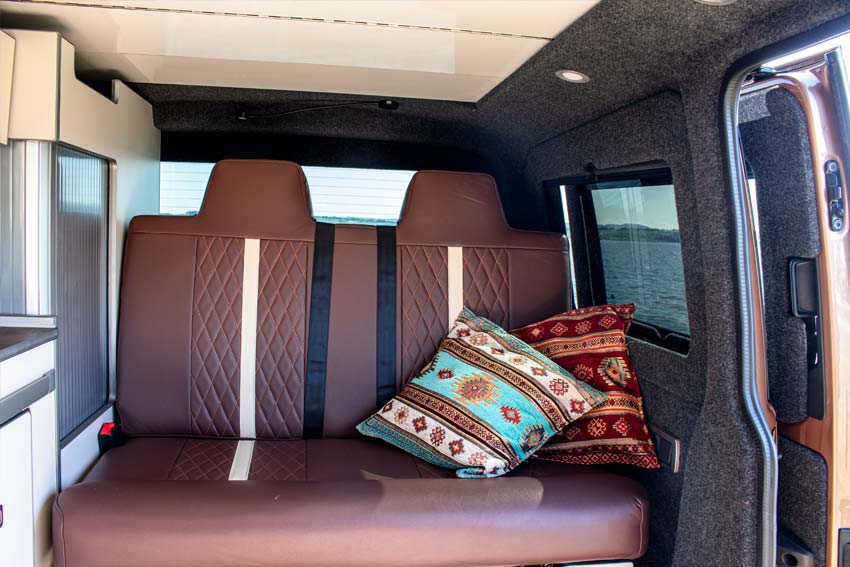
This is one of the less glamorous parts of the comparison, but it matters. Seatbelts first. A 4 berth does not automatically mean four practical travel seats. It only means four sleeping spaces. If you actually need to carry four people, check the belted seats properly and ensure they make sense for real journeys, not just short hops.
Then there is payload. This catches people out all the time. A van can look comfortably sized until you add passengers, water, food, bedding, bikes and everything else that comes with a real trip. Then the margin narrows quickly. The bigger van does not always solve that. Sometimes it brings more kit and more assumptions.
So if you are comparing a 2-berth campervan with a 4-berth campervan, do not stop at floor space. Ask what the van can legally carry, and what that looks like once it is being used as intended rather than sitting empty on a forecourt. That matters more than many buyers expect.
What catches people out
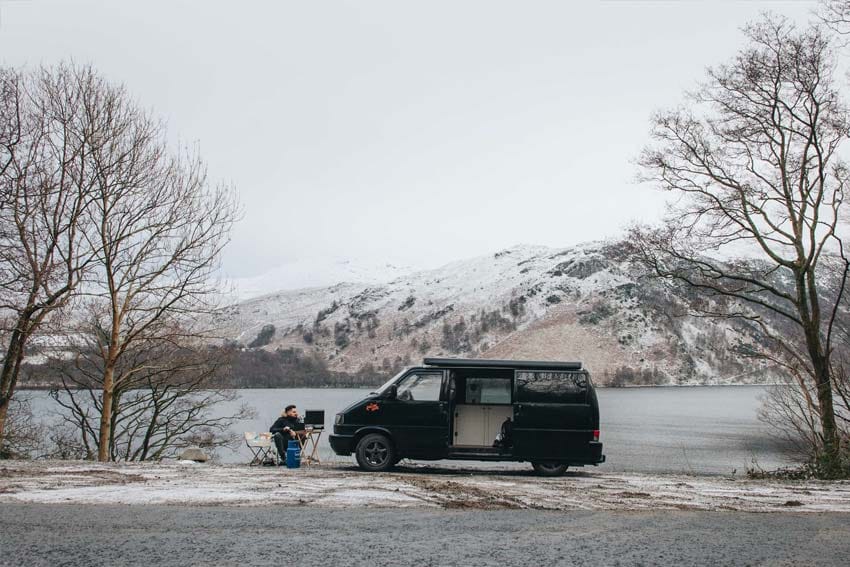
Many buyers think the choice is mainly about sleeping capacity. It isn’t. What usually catches people out is what sits behind it.
A 4-berth campervan can feel like a sensible upgrade until you realise the extra bed space has eaten into storage, narrowed the living area, or turned every evening into a small furniture exercise.
A 2-berth campervan can feel like the smarter, lighter option until you realise you have built the whole van around two people and left no room for the sort of trips you actually want to make.
Weather exposes this quite quickly. In good conditions, almost any layout can seem workable. Once everyone is inside for a few hours, making food, getting changed, moving bags around and trying not to trip over each other, the weak points become easier to spot. So do small routines. If the bed has to be made up every night, how much does that bother you really? If the dining area disappears once someone is sleeping, is that fine or irritating? If the kids have somewhere to sleep but nowhere obvious to put anything, does that still count as enough space? Those questions tend to tell you more than the berth label.
How to tell which one suits you

The simplest test is to think through a normal trip, not an ideal one. Who is coming? How long are you away for? Where does everyone sleep? Where does the gear go? What happens if the weather turns? Do you need four travel seats, or just more sleeping flexibility? How often will the extra space actually be used?
A 2-berth or 4-berth campervan usually becomes easier to judge once you do that honestly. If the answer keeps coming back to two people, lighter packing, easier driving, and less complexity, a 2-berth probably deserves more attention. If the answer keeps coming back to children, guests, changing travel plans, or simply needing the van to work for more than one type of trip, a 4-berth may make more sense.
Neither is automatically better. The better choice is the one that creates less friction once you own it.
A sensible next step
If you are still undecided, compare a few real vans rather than the idea of them. Look at a 2-berth campervan and a 4-berth campervan side by side. Check the seatbelts, bed setup, storage, payload, and how the living space works on a wet day rather than a sunny one. That usually clears things up faster than trying to solve it in your head.

FAQs
Is a 4-berth campervan good for families?
It can be, especially if you genuinely need sleeping space for four and enough belted seats to travel safely. The important bit is not the label on its own, but how the van works once everyone is inside. Some family-friendly layouts make good use of the space. Others can feel tight very quickly.
Is a 2-berth campervan good for couples?
Often, yes. A 2-berth campervan can be a strong fit for couples who mostly travel together and want something simpler to drive, park and live with. It can also free up space for a better lounge, easier storage or a more settled sleeping arrangement.
What does a 4-berth mean in a campervan?
It means the van is designed to sleep four people. It does not automatically mean it can carry four people with seatbelts, or that the sleeping arrangement will be equally comfortable for all four. That part needs checking properly.
Is a 2-berth or 4-berth campervan better?
You can usually tell quite quickly once you picture a normal trip.
If it’s mostly one or two of you, a smaller van tends to feel easier without you really noticing why. You stop thinking about space because nothing is getting in the way. The bed, the seats, the storage — it all just sits where it should.
Add a third or fourth person, and that changes fast. Space that felt fine suddenly has to work harder. That’s when the extra sleeping room starts to matter, not as an idea, but because the van actually needs it.
Where people get stuck is somewhere in between. Planning for trips that might happen, rather than the ones that actually will.
What should I check when comparing them?
The label is the easy part. The details are what make the difference.
Two vans can both be described as 4 berth and still feel completely different once you step inside. How the beds work, where things go during the day, whether the seats are usable for a proper journey, and how much you can realistically carry all start to matter quite quickly.
Paperwork matters, but it only tells part of the story.
You can have a tidy service record and still end up with a van that feels awkward to use. The way the conversion has been put together, how solid everything feels, whether there are early signs of damp — those things tend to show themselves once you start opening cupboards and moving around rather than just reading the advert.
The details people miss are usually smaller than that.
You notice them later.
The first time you try to put bedding away and realise there isn’t really a place for it. The moment you’re reaching for something and have to move two other things first. When everyone’s inside, and the space that looked fine suddenly feels tight.
Things like seatbelts and payload sit in the same category. Easy to skip over when you’re comparing listings, but they shape what the van can actually handle once it’s loaded and on the road.
What if I am still unsure?
That usually means you need to compare a few real layouts rather than deciding from memory or headline specs. Once you’ve seen how a couple of vans handle beds, storage, seating and movement, the right direction often becomes much clearer.

